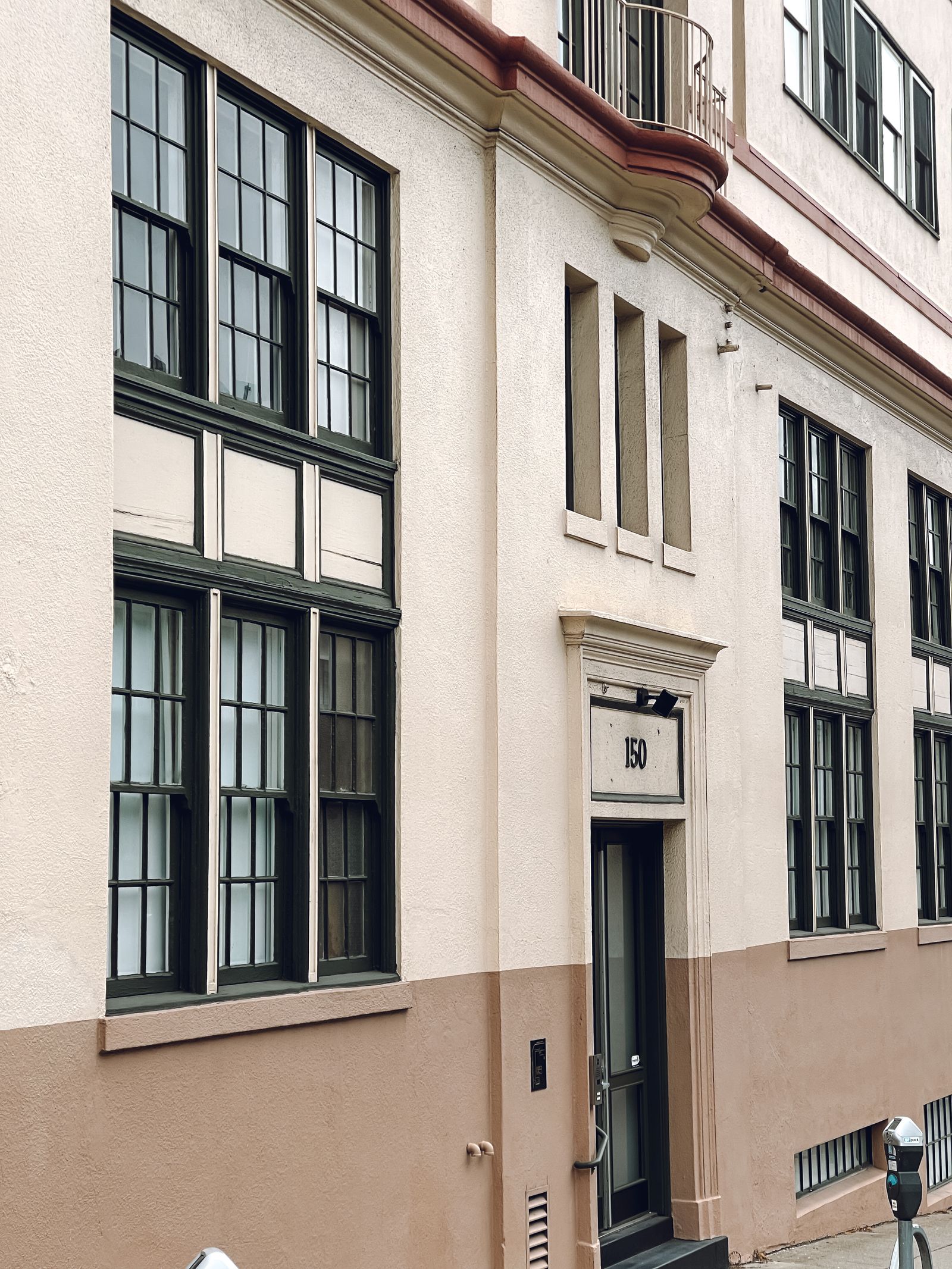
First identify the material and the cause of the Edison stain
Soft washing generally depends more on compatible chemistry, dwell time, and controlled rinsing than on impact force. It may fit selected stucco, EIFS, masonry, painted concrete, and other tested surfaces affected by biological growth, pollen, bird residue, salt film, or atmospheric soil. Lower pressure may reduce some mechanical stress, but it does not remove the need to control chemical strength, dwell, temperature, wind, overspray, and water entering failed joints. A shaded wall beside a Route 1 parking lot may have a different problem from a sunny warehouse wall near a loading court.
Pressure washing uses water force and flow to remove loose or bonded soil from compatible, durable surfaces. It can be useful for tested concrete walks, loading aprons, some parking structures, and hardscape when the pressure, tip, distance, flow, splash, and runoff are controlled. It can also scar softer masonry, drive water behind siding or trim, expose aggregate, damage coatings, or worsen open joints when used without a substrate-specific plan. The correct question is not which method is stronger; it is what the surface and soil can safely support.
- Identify the substrate, coating age, joint condition, repairs, sealants, glazing, and architectural details.
- Separate organic film, pollen, salt, minerals, oxidation, exhaust, embedded soil, and drainage streaks.
- Keep facade walls, storefronts, canopies, signs, hardscape, and loading areas as separate decisions.
- Ask for a test area when the material, stain cause, or appearance expectation is uncertain.
Edison roads create different kinds of commercial soil
A building facing Route 1 or Route 27 may collect exhaust, tire and road film, dust, splash, and pollen at the lower elevation. A storefront on Oak Tree Road or Amboy Avenue may have food-service residue, sidewalk dust, signage, and frequent pedestrian contact. An office near Metropark may show roofline streaks, shaded-wall growth, and parking-lot film, while a warehouse around Mill Road or the Route 287 corridor may have trailer dust, loading-yard residue, and forklift-related grime. The same dark band can appear on each property while having a different source and a different cleaning limit.
Soft washing may be a useful first conversation for compatible organic or atmospheric film on wall fields. Pressure may be appropriate for tested concrete aprons, sidewalks, and hardscape where impact will not damage the surface or drive soil into a drain. Some conditions need specialty treatment or repair instead: bonded mineral scale, oxidation, graffiti, efflorescence, failing paint, corroded metal, open mortar, leaking roof edges, and water marks caused by a defect. A proposal should say what is included and what will remain visible if the cause is outside routine washing.
Use access and occupancy to choose the method
A pressure-washing setup can bring more splash, noise, hose traffic, and surface water to an active storefront or office entrance. A soft-wash setup can create mist, chemical-handling requirements, dwell time, overspray risk, and a rinse path. Neither method is automatically less disruptive. A restaurant on Oak Tree Road may need a quiet pre-opening window and a protected food-service entrance. A Metropark-area office may need employee and visitor routes kept open. A Route 1 shopping center may need storefronts completed in short zones so customers can move between parking and doors. A warehouse needs its wash sequence separated from trailers and forklifts.
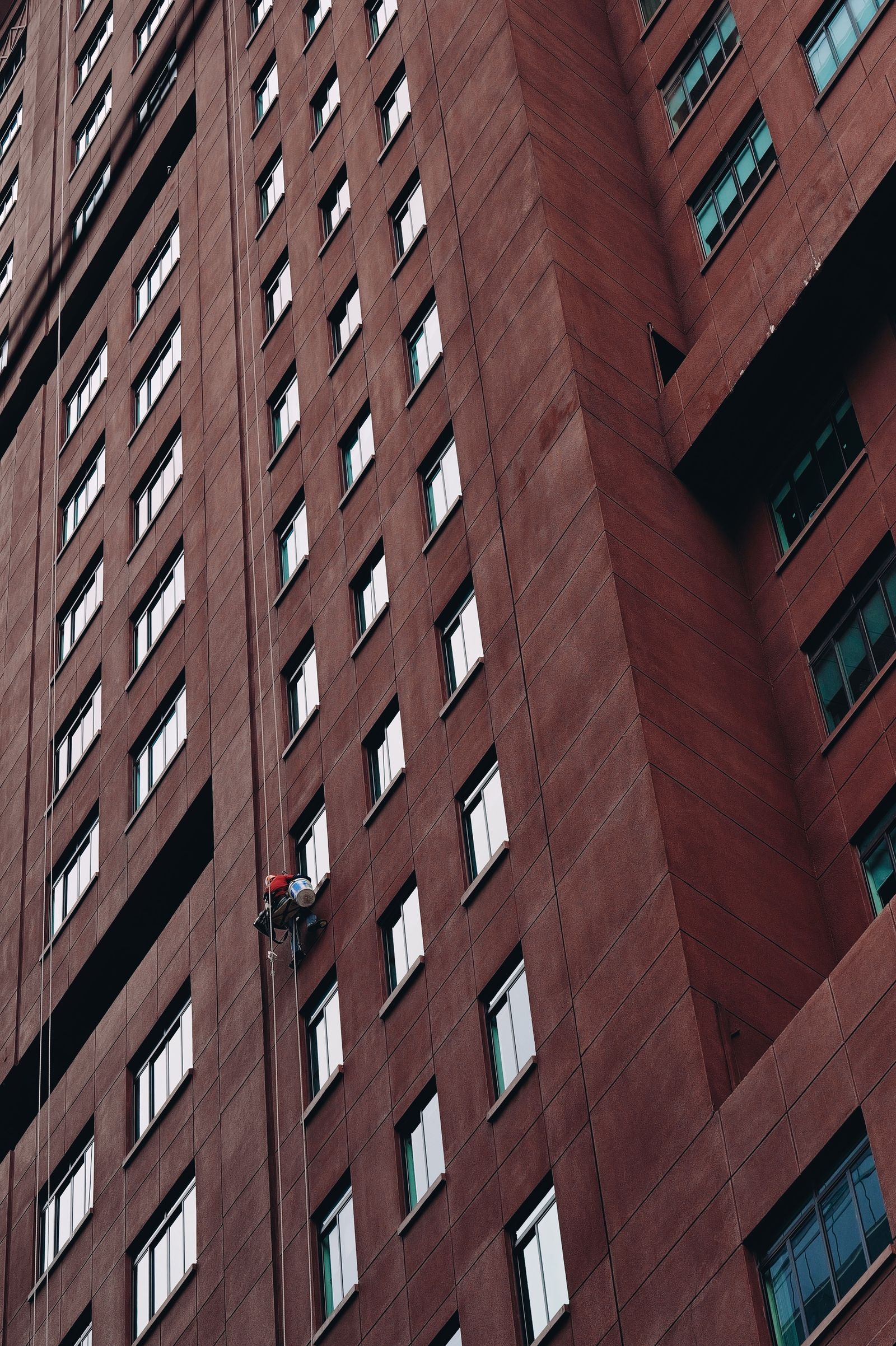
High elevations add another decision. Aerial assistance may support suitable broad upper wall areas when wind, launch and recovery space, stand-off distance, visual control, airspace, public separation, and runoff are workable. It does not replace a substrate test or provide detailed contact cleaning around signs, frames, ledges, louvers, and canopies. Commercial drone operations must meet FAA requirements and obtain required authorization. A lift, pole, ground-based rinse, or hybrid plan may be safer and more precise for a particular elevation.
Ask the contractor to describe the work zone, staging, barriers, hose routing, spotters, access equipment, pause procedure, and handback standard. A method that leaves the right facade clean but blocks an accessible path, loading gate, emergency route, or customer entrance is not a complete commercial solution.
Let Edison weather shape the schedule and expectations
Edison has humid summers, spring pollen, shaded damp areas, heavy rain, thunderstorms, winter snow, deicing salt, and freeze-thaw cycles. Soft-wash chemistry can behave differently on a hot sun-facing panel than on a cool north wall. Pressure-rinsed pavement can create slip or refreezing risk in cold weather. Rain can dilute an application or move rinse water toward a curb inlet. Wind can carry mist toward glazing, landscaping, air intakes, neighbors, or traffic. Weather is part of method selection and sequencing, not merely a calendar problem.
The quote should name wind, rain, lightning, temperature, surface moisture, freezing, and drying limits. It should explain how a reschedule works and how the team will inspect the result after a section dries. A clean-looking wall during active wetting is not the same as a finished wall. The owner should also understand that recurring moisture from a gutter, downspout, parapet, condensate line, irrigation head, planter, or failed joint can bring staining back regardless of whether the first visit used soft washing or pressure.
Compare runoff risk, not just pressure and gallons
Both methods create water that needs a planned path. Pressure can move more sediment quickly from a loading apron or parking lot. Soft washing can move solution, loosened biological material, and rinse water across a sidewalk, landscape bed, or drain. Edison sites may include curb inlets along Route 1, underground collection at an office campus, trench drains at a warehouse, swales near parking, and shared pavement at neighborhood retail. The property should identify those features before setup.
Controls depend on the product, soil, flow, slope, drain type, and site requirements. They may include diversion, collection, recovery, filtration, reduced flow, plant protection, or coordination with the responsible authority. A visible drain is not automatic permission to discharge treated water or sediment. The first rinse should be observed, and work should pause if a blocked inlet, sudden storm, parked vehicle, or changed hose route sends water somewhere unexpected. Runoff control protects the property, neighboring businesses, public routes, and the credibility of the finished work.
When a proposal mentions only pressure and square footage, ask what happens to rinse water, loosened soil, salt, and chemical residue. The method should include protection and closeout: safe walking surfaces, removed barriers, cleaned staging areas, photographs, remaining-condition notes, and notification of any drainage or repair issue discovered during the work.
- Map inlets, trench drains, low points, swales, loading bays, landscaping, doors, and public sidewalks.
- Ask how solution, sediment, salt, and rinse water will be diverted, collected, filtered, recovered, or otherwise managed.
- Confirm the stop condition if rain, flow, traffic, or a blocked drain changes the plan.
- Treat drainage defects and repeat wetting as owner maintenance issues, not cleaning guarantees.
Make the Edison decision with a documented test and scope
A useful comparison proposal should list each material and elevation, the suspected soil, the proposed method, test area, pressure or chemistry controls, access, protection, water assumptions, weather limits, runoff approach, and expected finish. It should separate wall washing from glass detailing, hardscape cleaning, oxidation removal, mineral treatment, graffiti work, canopy cleaning, and repairs. A test area is especially valuable on older brick, repaired stucco, painted block, EIFS, mixed storefronts, and surfaces with uncertain coating history.
Ask for a dry inspection and an honest limitations statement. Some organic film may improve substantially while oxidation, mineral scale, embedded exhaust, failed coatings, or damaged joints remain. The right contractor will explain what can be cleaned, what requires a different service, and what belongs with a roofer, mason, painter, glazier, or building-envelope specialist. For a property-specific recommendation, send the Edison address, photos, materials, priority elevations, operating constraints, water access, drains, and desired result. Call +1 239-351-2897, email contact@dronebuildingcleaners.com, or use the quote form to discuss the next step.